Skip to content

Gogs has DoS in rendering issue index pattern

Low severity GitHub Reviewed Published Jun 19, 2026 in gogs/gogs • Updated Jun 22, 2026

Package

gomod gogs.io/gogs (Go)

Affected versions

<= 0.14.2

Patched versions

0.14.3

Description

Summary

Special template of issue index pattern may cause panic.

Details

in internal/markup/markup.go

link = fmt.Sprintf(`<a href="%s">%s</a>`, com.Expand(metas["format"], metas), m)

Issue index pattern is rendered to link with com.Expand.

However, com.Expand is not safe.

i = strings.Index(template, "}")
if s, ok := match[template[:i]]; ok {

when { is found but } not found, i comes to 1, template[:-1] will be called, and then panicked

image

finally, all pages than contains issue index are unavailable.

PoC

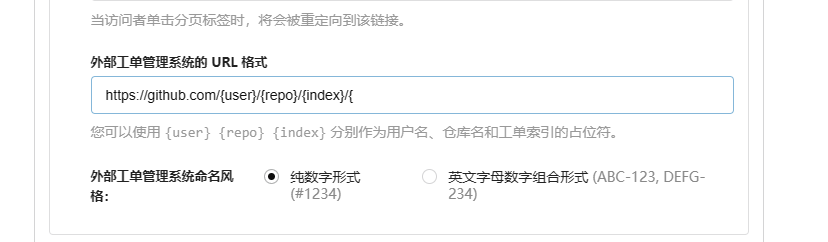
  1. set issue index pattern as follow

image

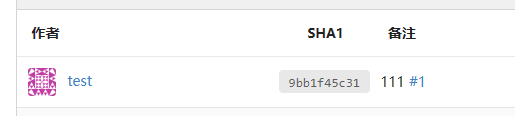
  1. add a commit which point to an issue in its msg
image

using #1 above

Impact

DoS that cause part of pages of the specify repo unavailable.

References

@unknwon unknwon published to gogs/gogs Jun 19, 2026
Published to the GitHub Advisory Database Jun 22, 2026
Reviewed Jun 22, 2026
Last updated Jun 22, 2026

Severity

Low

CVSS overall score

This score calculates overall vulnerability severity from 0 to 10 and is based on the Common Vulnerability Scoring System (CVSS).
/ 10

CVSS v3 base metrics

Attack vector
Network
Attack complexity
Low
Privileges required
Low
User interaction
Required
Scope
Unchanged
Confidentiality
None
Integrity
None
Availability
Low

CVSS v3 base metrics

Attack vector: More severe the more the remote (logically and physically) an attacker can be in order to exploit the vulnerability.
Attack complexity: More severe for the least complex attacks.
Privileges required: More severe if no privileges are required.
User interaction: More severe when no user interaction is required.
Scope: More severe when a scope change occurs, e.g. one vulnerable component impacts resources in components beyond its security scope.
Confidentiality: More severe when loss of data confidentiality is highest, measuring the level of data access available to an unauthorized user.
Integrity: More severe when loss of data integrity is the highest, measuring the consequence of data modification possible by an unauthorized user.
Availability: More severe when the loss of impacted component availability is highest.
CVSS:3.1/AV:N/AC:L/PR:L/UI:R/S:U/C:N/I:N/A:L

EPSS score

Exploit Prediction Scoring System (EPSS)

This score estimates the probability of this vulnerability being exploited within the next 30 days. Data provided by FIRST.
(20th percentile)

Weaknesses

Improper Neutralization of Special Elements Used in a Template Engine

The product uses a template engine to insert or process externally-influenced input, but it does not neutralize or incorrectly neutralizes special elements or syntax that can be interpreted as template expressions or other code directives when processed by the engine. Learn more on MITRE.

CVE ID

CVE-2026-52796

GHSA ID

GHSA-4j89-2c4f-44c6

Source code

Credits

Loading Checking history
See something to contribute? Suggest improvements for this vulnerability.